
Sharing science in South Africa
During the summer of 2018, eight students traveled to South Africa with the Stanford Alpine Project (SAP), an organization that gives Stanford students a chance to design and implement a student-led field excursion that is accessible to all Earth scientists. The group encourages cross-disciplinary interchange and collaboration at all academic levels.
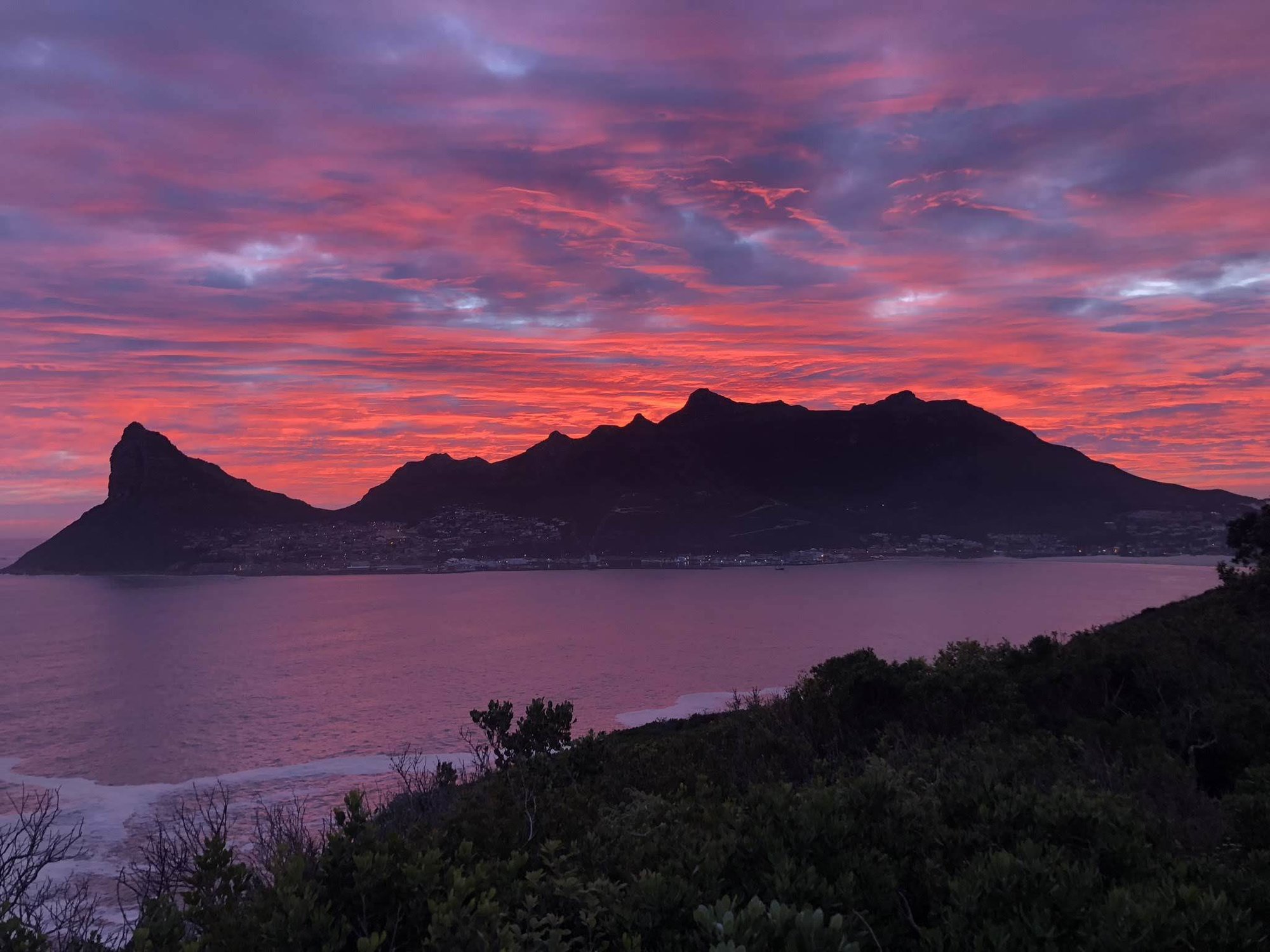
The trip included students from the departments of geophysics, geological sciences, Earth system science, E-IPER, an undergraduate from Earth systems, and a faculty advisor, George Hilley. The group explored the world’s "oldest beach," learned about fire ecology on a bush walk at Kruger National Park, toured gold and diamond mines, and toured the Barberton Greenstone Belt, where some of the oldest rocks in the world show how our continents formed. This area is a longtime research focus of Stanford Earth’s Don Lowe, who was the first to explain the unique "spherule beds."
“This wasn’t entirely geology focused because of my peers. I’m socially friends with other people at Stanford Earth, but we never talk science – on this trip, we were teaching each other.”
— Aaron Steelquist, PhD student in geological sciences and SAP leader
For more information about SAP, contact Marisa Mayer at mhmayer@stanford.edu.
Media Contacts
Explore More
-
Combining entrepreneurship with a passion for helping people.
-
Stanford scholars, including faculty at Stanford Earth, detail some of the major environmental success stories of the past half century and reflect on important milestones.
-
Environmental microbiologist Yaochun Yu studies how microbes break down pesticides, plastic additives, and other chemicals in the environment. His goal is to enable new ways to clean up pollution and design safer chemicals for the future.


